
Convento do Carmo
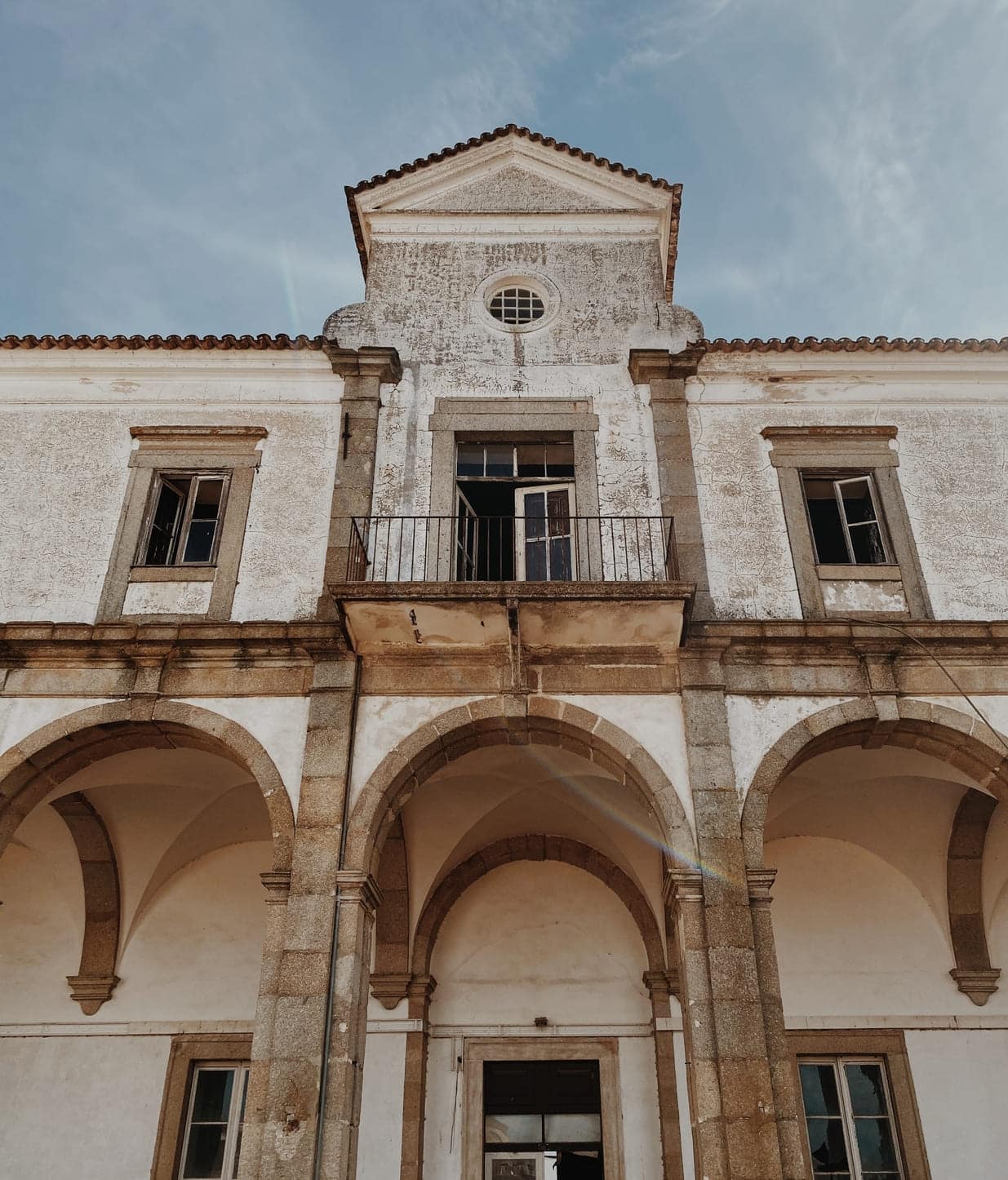
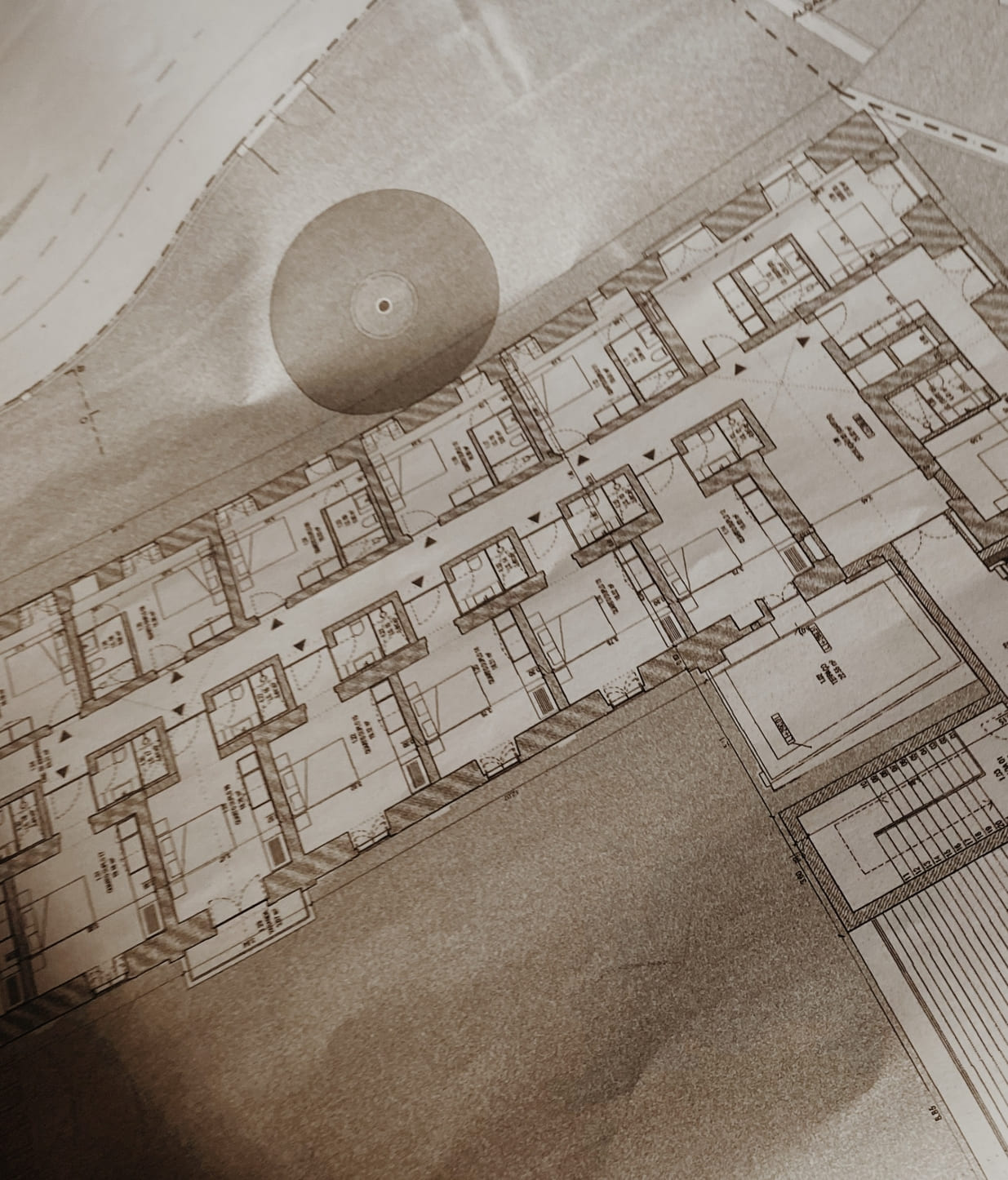
Convento do Carmo is a heritage rehabilitation project in Évora, a city classified as a UNESCO World Heritage Site. The project converts a sixteenth-century convent into a boutique hotel of 50 rooms, combining the restoration of the existing historic structure with the addition of a contemporary wing. The cloister is reinterpreted as the central element of the development, organising circulation, natural light and the spatial experience of the hotel.


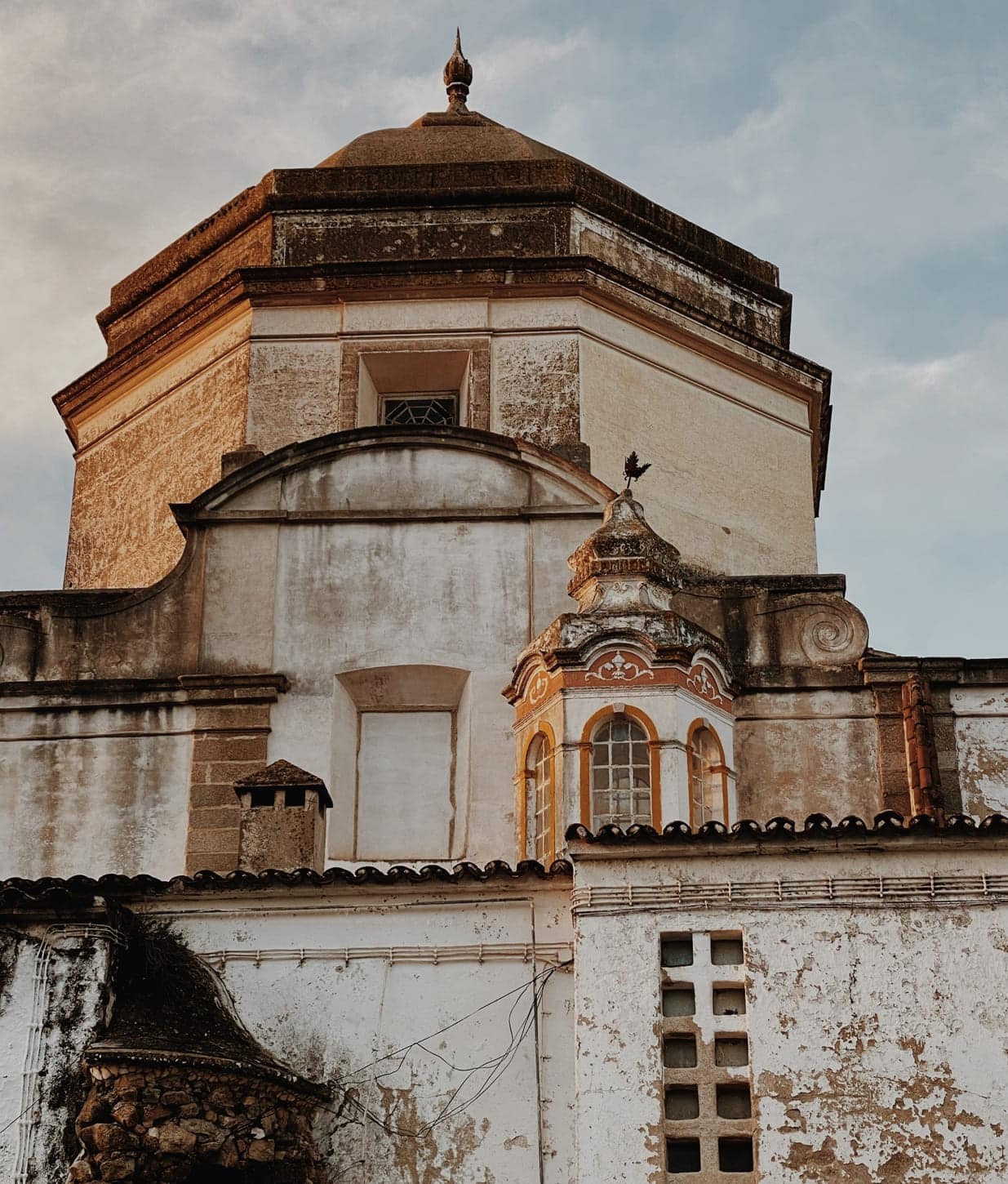
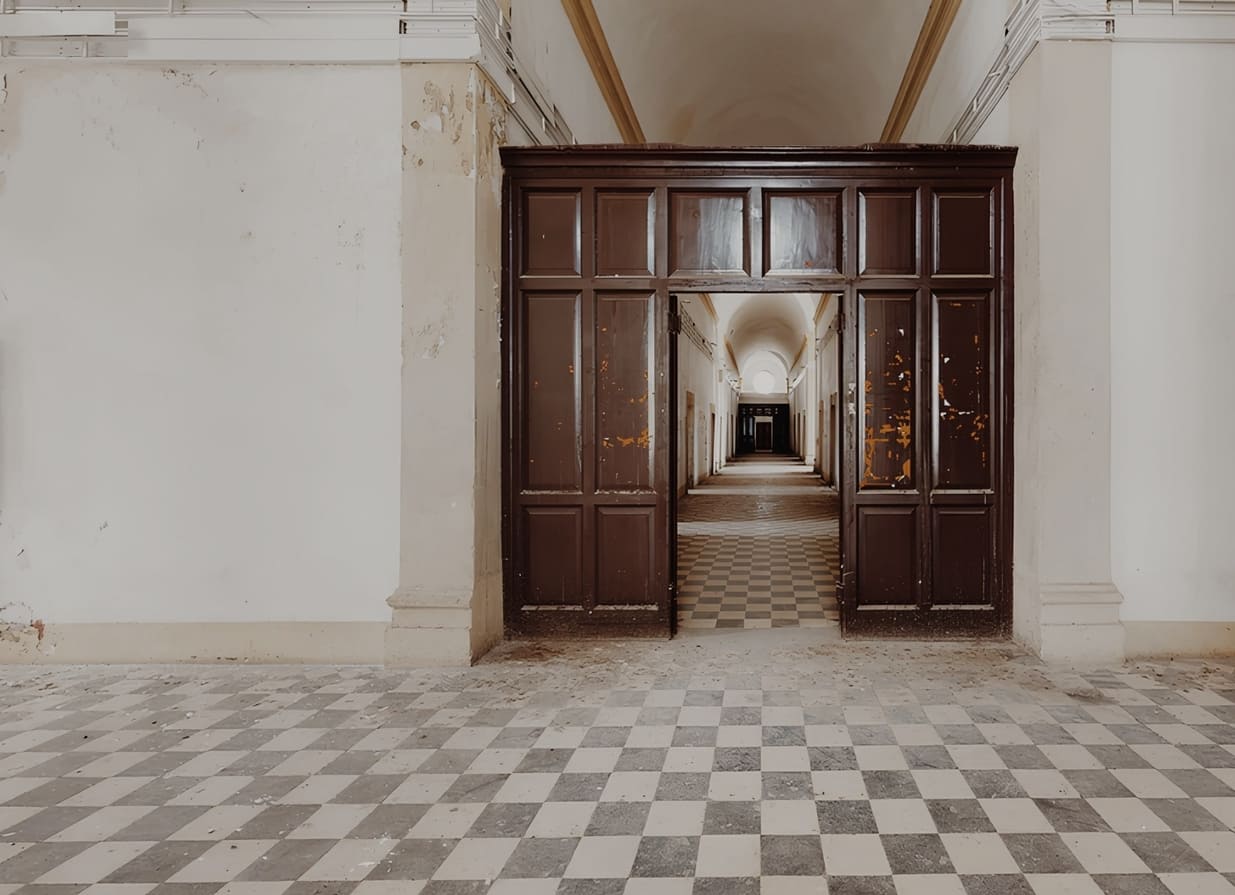
The intervention preserves the original structural elements of the convent, including the arches, columns and the principal historic components, while introducing a new wing that establishes a contemporary presence within the existing fabric. The project incorporates the archaeological remains identified on site, including Islamic vestiges dating from the tenth and eleventh centuries, which are integrated as part of the record of the site's extended history.
"Sed nulla tortor, gravida at nibh id, eleifend tempor metus. Quisque a dapibus dui. Donec quis lorem diam. Nam eu risus in dui tincidunt ullamcorper elementum ac odio. Ut sem lacus, rutrum vitae dapibus at, commodo eu sapien. Ut eu ipsum ac lacus pretium euismod eu at massa. Sed iaculis iaculis tortor quis commodo. "
João Pinto da Silva
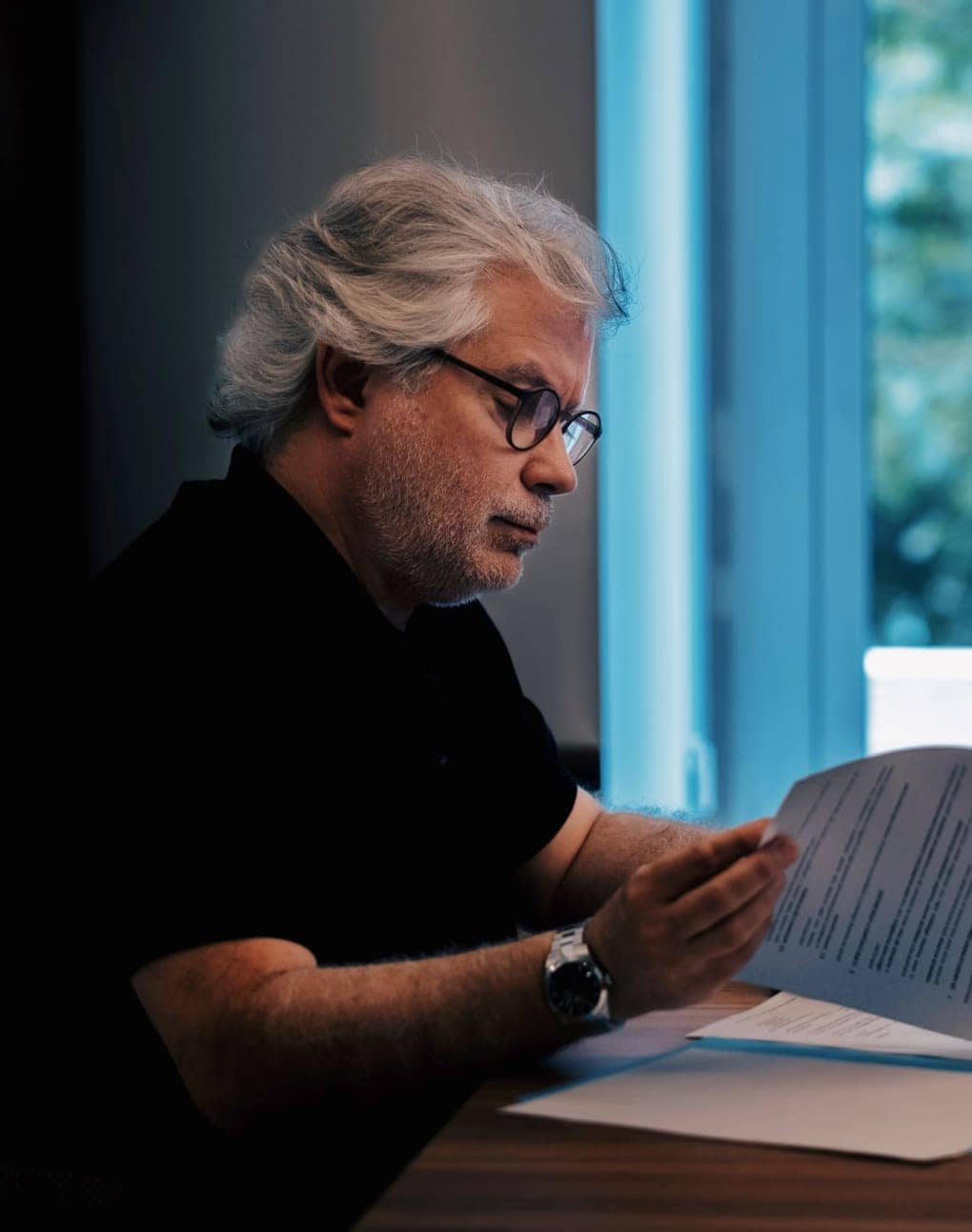
João Pinto da Silva
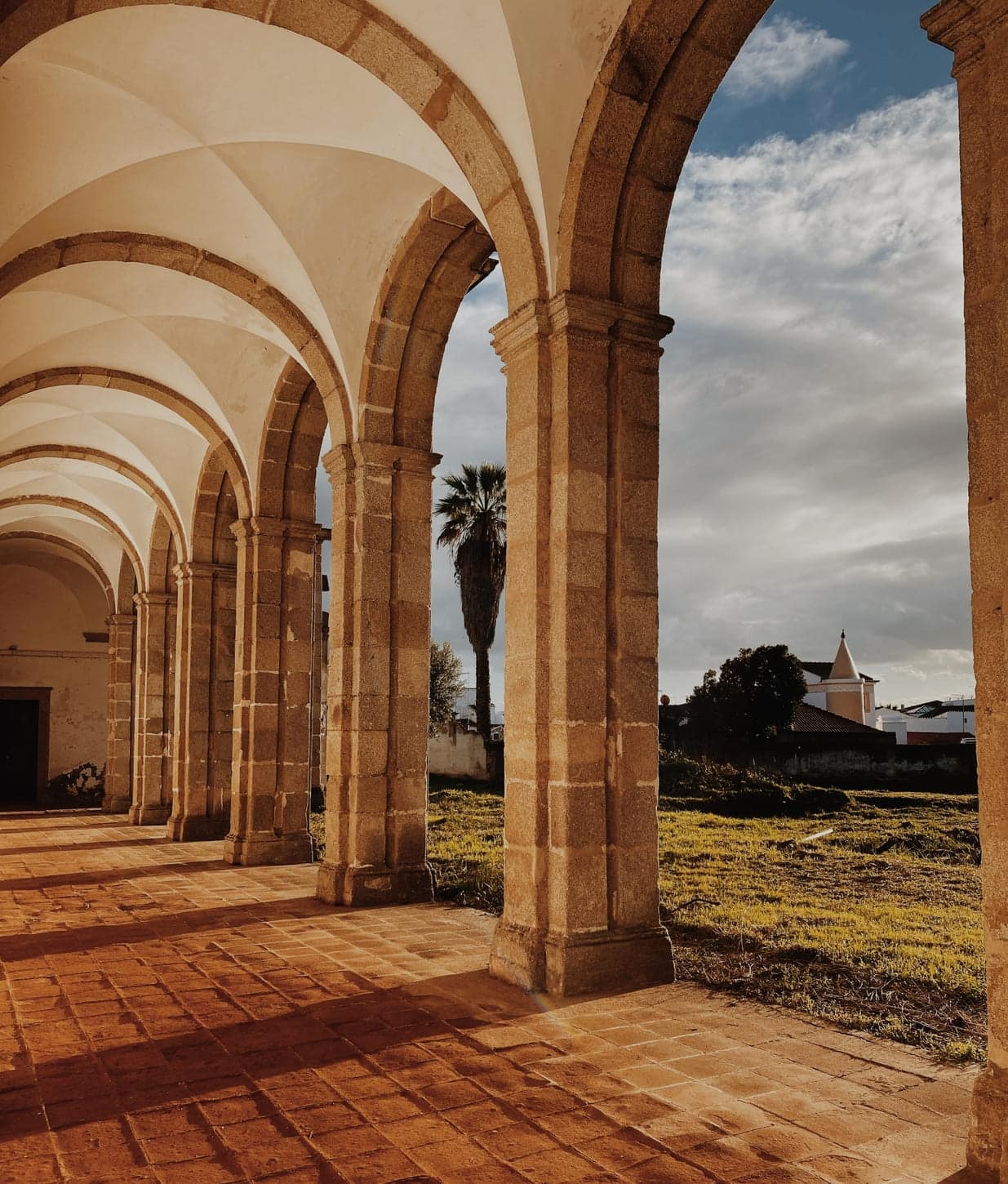
The 50 rooms are organised around the restored cloister, which functions as the primary communal space and determines the hotel's relationship to natural light and open air. Communal areas include a spa and a garden courtyard developed in relation to the cloister. The hotel interiors are developed in dialogue with the existing historic fabric, respecting the scale, proportion and material character of the original building while meeting contemporary operational requirements. The project is designed with a long-term approach to conservation, ensuring that the architectural and archaeological heritage of the site is preserved as a functional part of the hotel's spatial experience.
The Sixteenth Century. And Before.
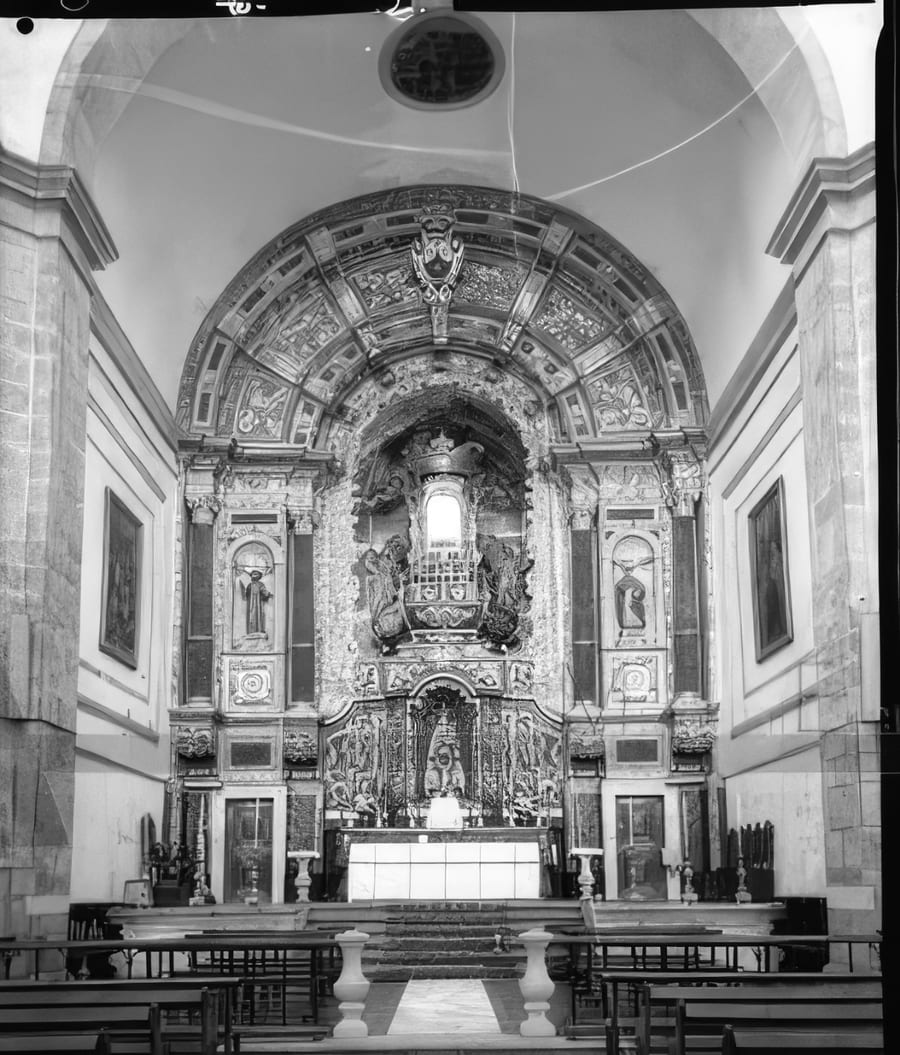
Chancel, Igreja do Carmo
The Convent of Carmo was established in Évora as part of the Carmelite order's presence in the Alentejo. The structure has been a part of this city for over five centuries, occupying a position within the historic centre that places it in direct relation to the Roman Temple, the Cathedral and the principal civic spaces of Évora.
Archaeological investigations conducted during the project's preparation identified remains from the Islamic occupation, dating to the tenth and eleventh centuries. These vestiges predate the convent by several hundred years, establishing the site as a place of continuous human presence across distinct historical periods.
The rehabilitation preserves the structural identity of the sixteenth-century building, accounts for the archaeological record and introduces a contemporary intervention that accepts its position within this layered history.
Moors, monks and five centuries of Évora.
Évora, Portugal
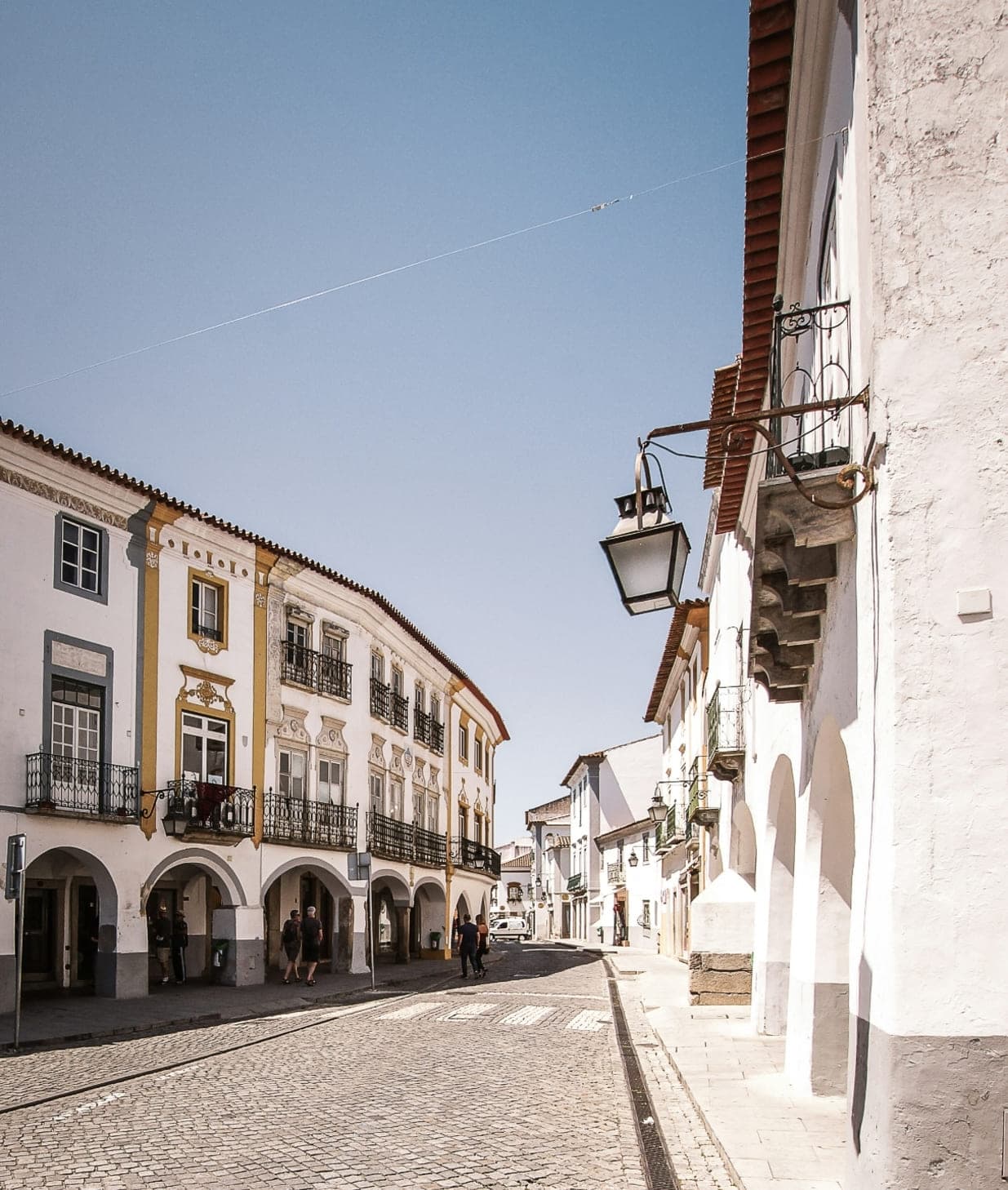
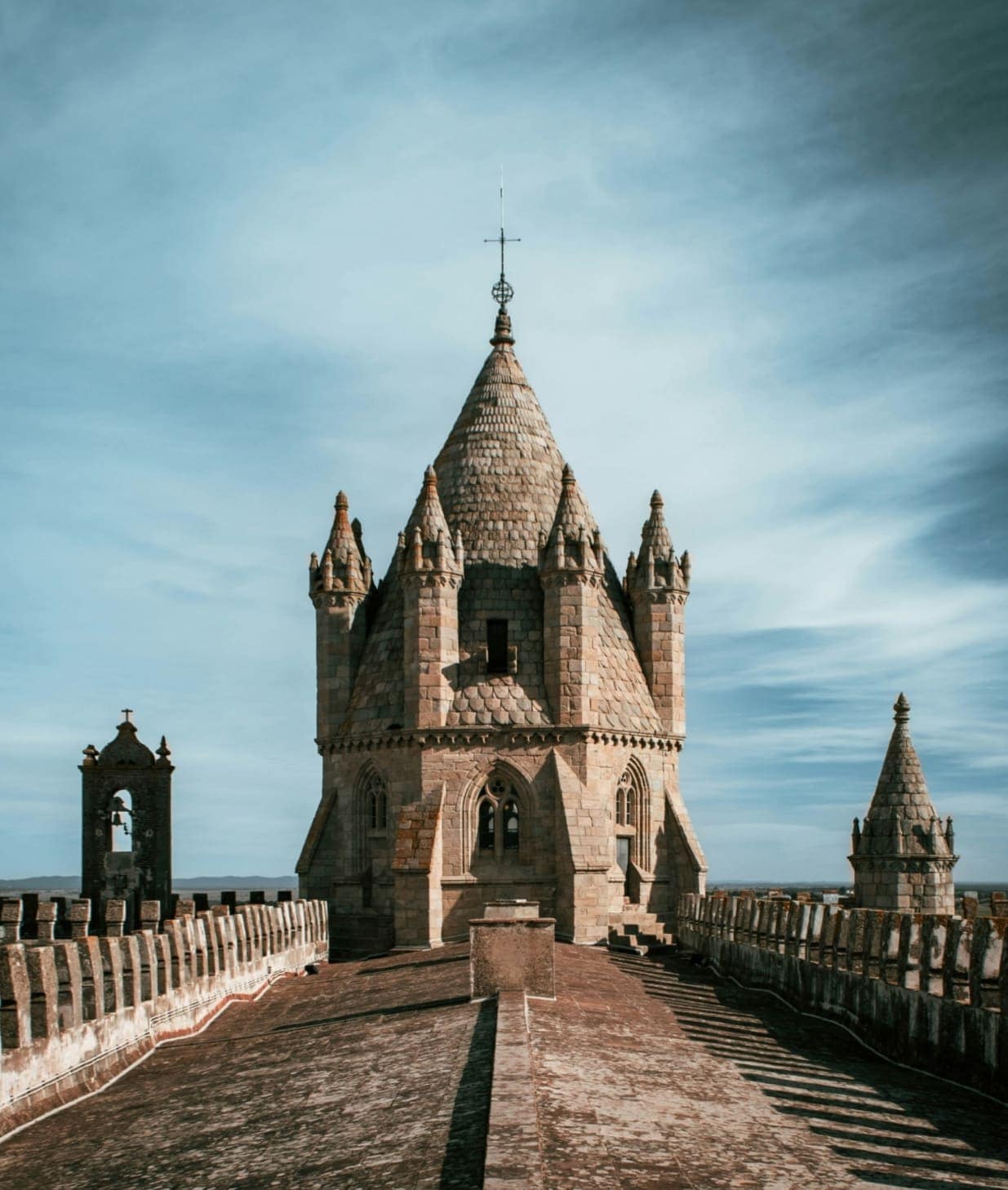
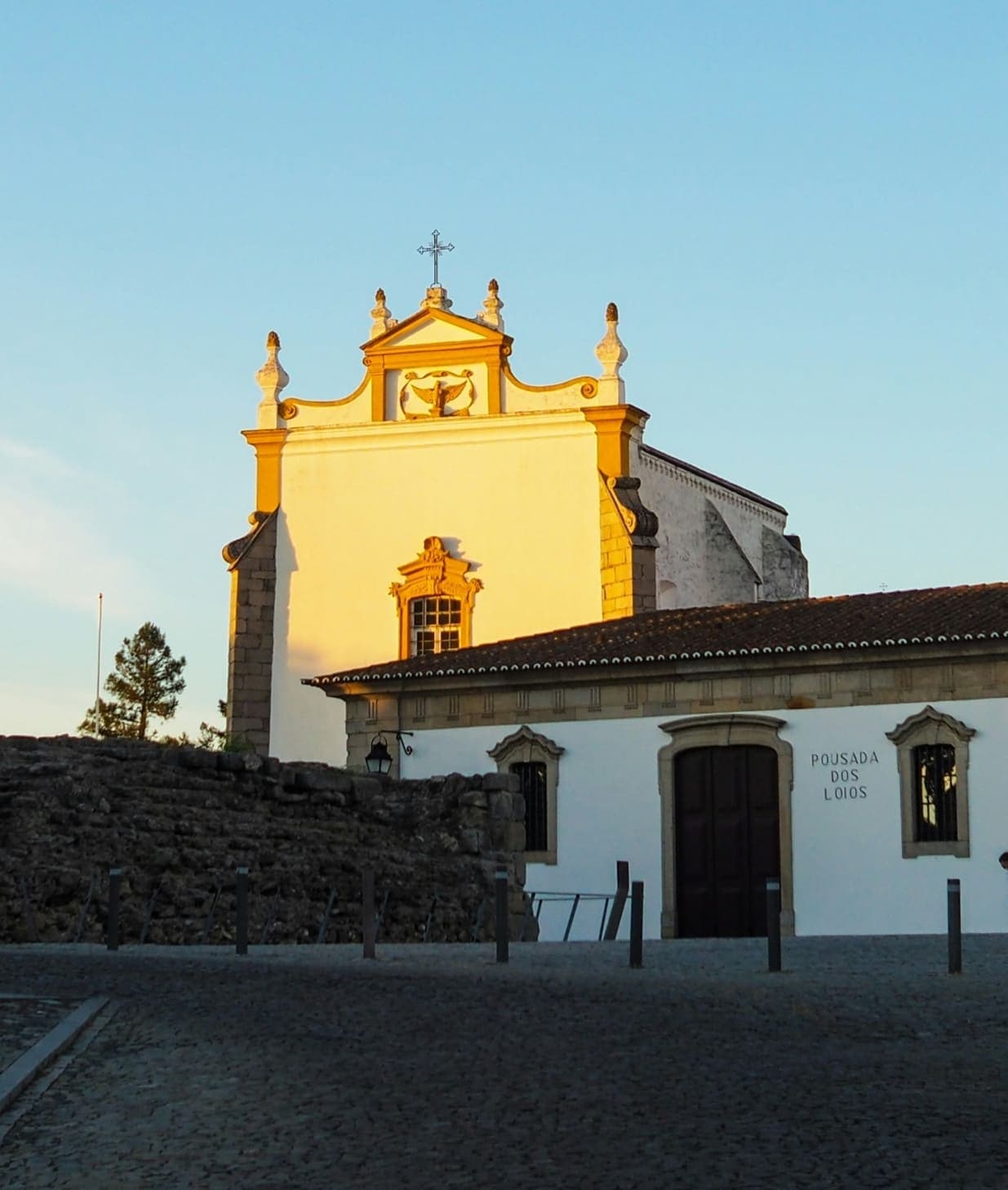
Convento do Carmo is located in the historic centre of Évora, a city classified as a UNESCO World Heritage Site since 1986. The Roman Temple, the Cathedral, the Praça do Giraldo and the principal institutional buildings of the city are within immediate reach on foot. The historic centre retains much of its medieval and Renaissance fabric, functioning as a coherent and walkable urban environment.
The Alentejo is accessible from Lisbon by road in under two hours, and the high-speed rail connection reduces that journey to approximately one hour. Évora Airport provides regional air access, and the city's position at the centre of the Alentejo plain places it within reach of the principal rural estates, wine routes and natural landscapes of the region.
Convento do Carmo occupies a position at the heart of one of Portugal's most significant historic cities, within a project that preserves five centuries of architectural and cultural continuity.


